Botox Not Working: Is Botox Resistance Real?
Why Botox sometimes does not work, what Botox resistance really is and how common, how doctors test for it, how to prevent it, and what to do next
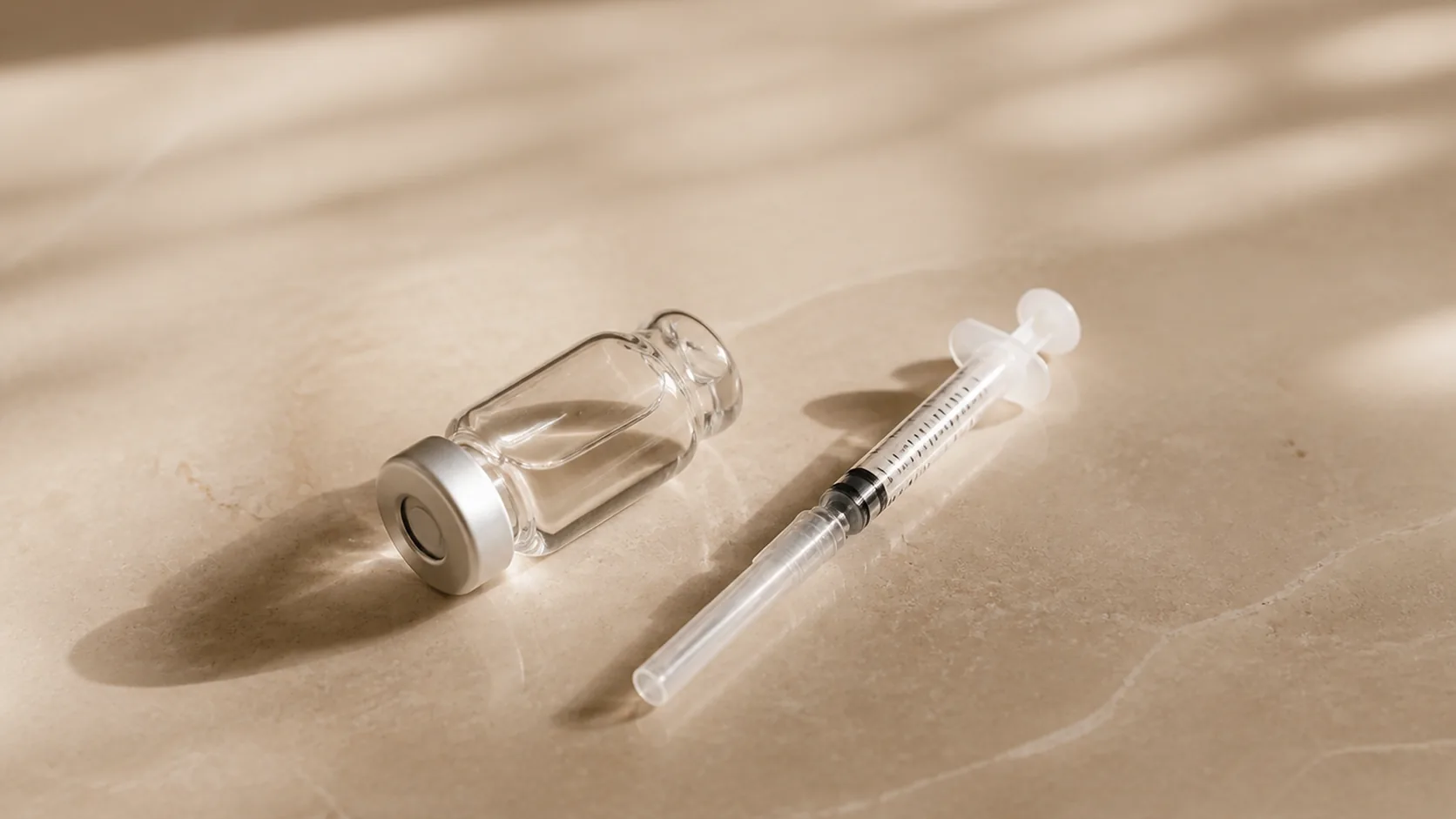
Most cases of Botox not working are not resistance. Far more often the cause is a dose too low for the muscle, placement that missed the target, judging the result before the drug has fully taken effect, or using Botox for a concern that does not respond to it. Identifying the cause correctly matters more than rushing into another injection.
What does “Botox didn’t work” actually mean?
The same phrase gets used for very different situations, and each has its own set of causes. Describing yours specifically helps your doctor find the cause faster.
Type one: no change at all. Two weeks have passed and the muscle works exactly as before. This is the only group where genuine drug resistance needs serious consideration — and even then, other causes have to be excluded first.
Type two: some effect, but not enough. You can tell something changed, but not to the degree you expected. This usually comes down to the dose relative to the strength of the muscle, or expectations that do not match what Botox can do.
Type three: it worked, but wore off fast. A good result early on, then back to baseline within one to two months. This has several possible causes, from dose and placement through to how each person uses those muscles.
Type four: the concern remains even though the muscle genuinely moves less. For example, lines visible when the face is at rest look unchanged. This is usually not a problem with the drug, but with matching the method to the type of line.
Causes that are more common than resistance
Before concluding resistance, doctors rule out the following, because they are far more frequent and can be addressed directly.
| Cause | What it usually looks like | How it is addressed |
|---|---|---|
| Dose too low for the muscle | Some effect but not enough, or short duration | Review the dose against the strength of the muscle |
| Placement off target | Some muscle fibres still fully active, uneven result | Inject to anatomical landmarks, with the doctor assessing real movement |
| Judged too early | Conclusion drawn at day 3–5 | Wait the full 2 weeks before deciding |
| Concern does not respond to Botox | Lines at rest, skin laxity, fat | Match the method to the type of concern |
| Storage or reconstitution below standard | Inconsistent results between sessions | Choose a facility with appropriate drug-handling systems |
| Unregistered product | Unusually low price, product name not disclosed | Ask to see the product name and registration before injection |
| Mismatched expectations | A feeling that it is not like the first time | Agree on goals with the doctor before injecting |
The point most often overlooked is the one about the type of concern. Botox works by reducing muscle contraction, so it mainly helps lines that form during expression. Folds or lines clearly visible even at rest usually need other methods alongside.
What is Botox resistance, and does it really happen?
Resistance is a real phenomenon in medicine. The mechanism is that the immune system treats proteins in the product as foreign and produces antibodies that bind the drug and neutralise it before it can act at the nerve ending. The result is that the same injection stops producing an effect, even with correct dose and placement.
What should be understood is that this is uncommon in cosmetic use, because the doses involved are far lower than in neurological treatment, where some conditions require high doses given continuously over many years. Clear reports of resistance are therefore more frequent in that latter group.
Factors described as associated with antibody formation include high doses per session, frequent injections at intervals shorter than three months, small top-up injections between sessions to correct minor areas, and products with a high load of excess protein. The first two are controllable through treatment planning, which is why doctors often decline to inject as frequently as patients request.
Why did the first session feel longer-lasting?
This is a common question, and it is usually interpreted as resistance when the more frequent explanation concerns the baseline you are comparing against.
The first time, you compare against a face that had never been injected, so the difference is striking. Subsequent times, you start from a face that is already partly improved, because the muscle has not fully returned to its former strength. The difference you perceive is therefore smaller, even though the drug may be working just as well.
Other factors that genuinely affect duration include the dose used each time, and the strength and bulk of the muscle, which change with use — people who chew forcefully or grind their teeth at night often find Botox in the jaw area wears off sooner. Individual metabolic rate and regular intense exercise also play a part.
Generally, the duration cited for facial expression lines is around 3–4 months, while the jaw area, which uses higher doses, commonly lasts longer.
How is resistance actually tested?
There is no blood test in routine cosmetic clinic use to confirm this. The practical approach is therefore to exclude other causes first, then test the response.
The steps doctors commonly follow are to review the entire injection history — what dose, at what intervals, and whether there were top-ups in between — then assess whether the concern being treated genuinely suits Botox, then examine the muscle in the injected area to see whether it still contracts fully or only partially.
If everything was appropriate and there is still no response, a doctor may test by injecting a small amount into a muscle whose movement is easy to observe, then reassessing in two weeks. If that muscle responds normally, the problem is more likely dose or technique than resistance.
What to do if your Botox did not work
The safer sequence is to return to the person who injected you rather than switching clinics immediately, because the record of the previous injection is important information for finding the cause.
- Return to the injecting doctor at the two-week mark, with before photos and current photos of your face in expression
- Ask for the details of the previous injection — product name, dose used, and placement — as a starting point for adjusting the plan
- Do not immediately re-inject to try again, especially small top-ups over a short period, which are associated with stimulating an immune response
- Review the goal with your doctor, checking whether the concern you want addressed responds to Botox or needs a different method
- If resistance is genuinely suspected, plan for the long term with your doctor, which usually includes pausing injections and choosing other approaches in the meantime
Choosing a product and a clinic safely
Botulinum toxin is a controlled medicine that must be prescribed and injected by a doctor in a licensed medical facility. It is not a product to buy and inject yourself. This matters directly to results, because products of unknown origin or stored inappropriately tend to give inconsistent effects, quite apart from the safety risk.
What you can ask about and verify before injection includes the name of the product to be used and its registration with the Thai Food and Drug Administration, which you can look up yourself through their drug product database; whether the person injecting is a doctor with a medical licence number, which you can verify with the Medical Council of Thailand; and having the vial opened in front of you.
Warning signs worth noting are a price far below the market with no explanation, refusal to disclose the product name, services offered outside a medical facility, and pressure to decide on the spot.
Consult a doctor to find the real cause
Injecting more without knowing the cause usually means paying twice without solving the problem, and in some cases may increase the chance of an immune response developing over the long term. Establishing the cause first is the more economical route.
At Onnyx Clinic the doctor reviews your previous injection history, assesses muscle function, and checks whether the concern you want addressed is suited to injection before planning with you. Consult us at Botox or via LINE: @onnyxclinic
References
- Botulinum toxin therapy: FAQs — American Academy of Dermatology (AAD)
- Botulinum toxin injections — Cleveland Clinic
- Botulinum toxin — DermNet
- Explanation of Timing of Botulinum Neurotoxin Effects, Onset and Duration — PMC (NIH)
- Thai Food and Drug Administration — drug product database
- The Medical Council of Thailand — verify a medical practitioner
Frequently asked questions
How long does Botox take to work, and what if nothing happens? +
Botulinum toxin generally begins working within 3–7 days and is clearest at around two weeks after injection. If two full weeks have passed with no change at all, go back to the doctor who injected you for assessment. Do not simply go elsewhere for another injection, because injecting more without knowing the cause adds risk without solving the problem.
What is Botox resistance, and how common is it? +
Resistance is when the immune system produces antibodies that bind to the drug and neutralise it, so injections stop working even when dose and placement are correct. At the doses used for cosmetic treatment, this is uncommon. Most people whose Botox does not work therefore have one of the other, more frequent causes, which are easier to correct.
Why did my first Botox last longer than later sessions? +
A more frequent explanation than drug resistance is that the comparison point changed. The first time, the difference from your untreated face is large, so it feels long-lasting. Later sessions start from a face that is already partly improved, so it feels as though the effect fades sooner. The dose used, the placement, changes in muscle strength, and the interval between sessions also affect the duration you perceive.
Can Botox resistance be reversed? +
The approach doctors commonly take is to pause injections for a period so antibody levels can decline, alongside reviewing whether the original concern was suited to injection at all, and considering other options that address the same concern in the meantime. The right approach differs between individuals and should be decided with a doctor after the real cause has been established.
How often can I have Botox without becoming resistant? +
The accepted guidance is to leave at least 3 months between sessions, use the lowest effective dose your doctor assesses, and avoid small top-up injections between sessions to correct minor spots. Repeated exposure over a short period is more strongly associated with stimulating an immune response than treatment on a normal schedule.
How can I tell resistance apart from simply being under-dosed? +
Doctors generally start by reviewing dose, placement and the type of concern, because those causes are far more common. If all of these were appropriate and there is still no response, a doctor may test by injecting a small amount into a muscle whose movement is easy to observe, then assessing the response at two weeks. The result of that test makes the distinction much clearer.

Written by Onnyx Clinic Editorial Team
Medically reviewed by Dr. Janthida Gluayjumnong · Attending Physician, Onnyx Clinic · ว.74005
Last reviewed August 8, 2026
Doctor →Related articles
Injectables
How to Tell If Filler Is Genuine and Check Thai FDA Registration
How to tell if dermal filler is genuine: check the Thai label, registration number, lot number and box seal before injection, plus the Thai FDA's three checks.
Injectables
Filler Lumps: Causes, Risks, and How to Fix Them
What causes filler lumps, how to tell early swelling from a true lump, urgent warning signs, and how each type is managed — by the Onnyx Clinic medical team.

Injectables
Botox for Jaw Slimming: What It Is and How Long It Lasts
Botox for jaw slimming: how it slims the face, how many days until results, how long it lasts, and aftercare — explained by the Onnyx Clinic medical team.
Ready to take care of yourself?
Consult a doctor and book any day via LINE.
Chat on LINE · @onnyxclinic