How to Tell If Filler Is Genuine and Check Thai FDA Registration
How to tell if dermal filler is genuine: check the Thai label, registration number, lot number and box seal before injection, plus the Thai FDA's three checks.
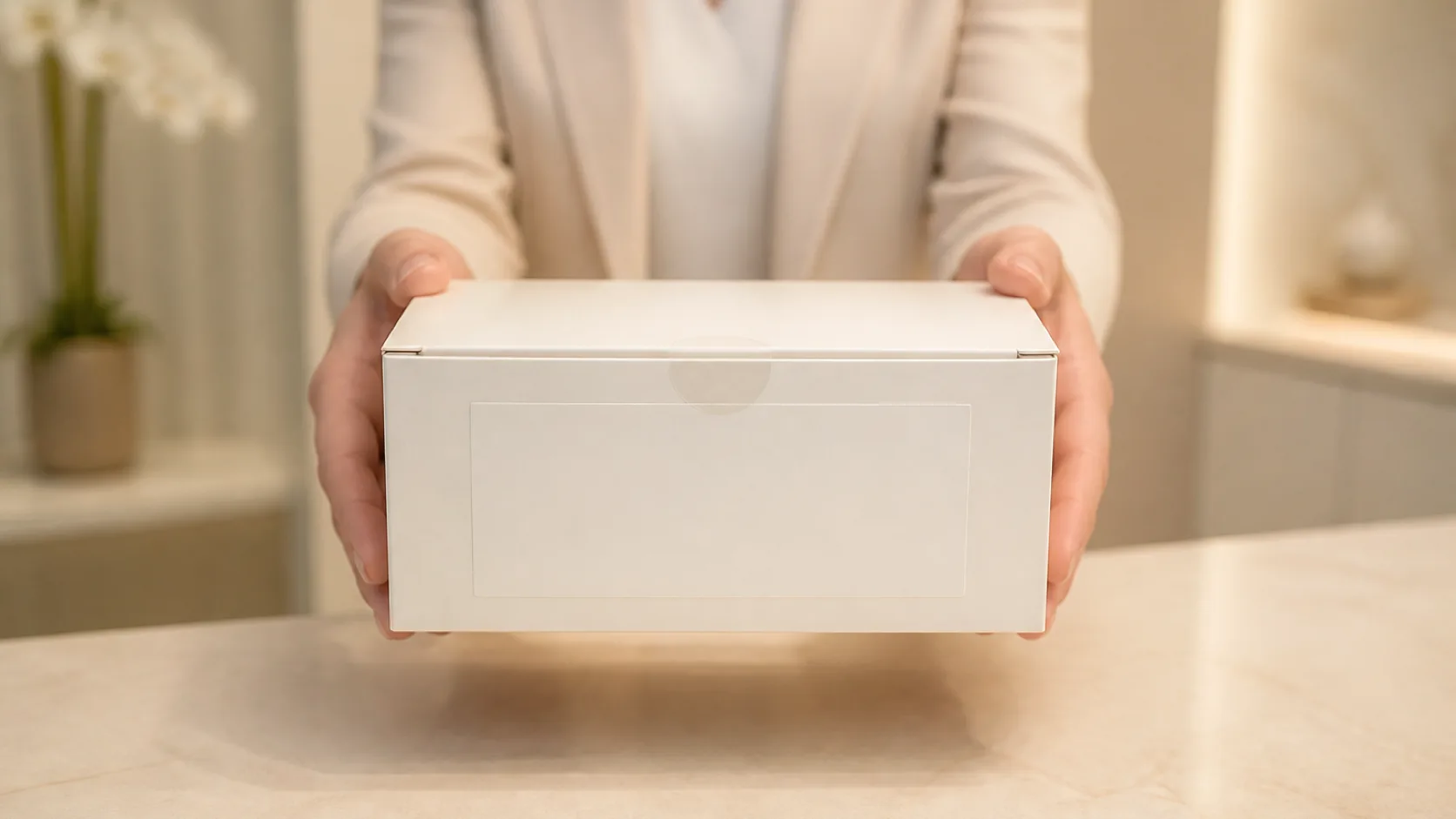
Genuine filler is identified by several things together: a Thai-language label and a medical-device registration number on the box, an intact seal, and a lot number and expiry date that match between the box and the syringe. The most important factor, though, is receiving it at a licensed medical facility from a doctor — not from a smuggled or online-bought product injected by yourself. And you can always ask to see the box first.
Why counterfeit and smuggled filler is a real risk in Thailand
Because high demand has created a market in unregistered product, and the risk that follows is a health risk, not merely a question of results. Thailand’s Food and Drug Administration (อย.) has issued a clear warning about illegal filler injection, listing risks from blocked blood vessels, facial disfigurement and allergic reaction to its components, through to tissue death and severe allergic reactions.
In a nationwide clinic inspection with provincial health offices and สบส. in May 2026, the Thai FDA reported finding facilities using unregistered or smuggled products, and listed the effects seen: bloodstream infection, inflammation, skin damage and scarring that is difficult to correct, hard nodules under the skin, and distorted skin structure.
International regulators point the same way. The US FDA states that unintended injection into a blood vessel can cause tissue death, vision abnormalities including blindness, or stroke, and stresses that no dermal filler is approved for consumers to buy and use themselves. Products sold directly to consumers online may be contaminated with chemicals or infectious organisms.
Three things make smuggled and online product riskier than usual: (1) there is no way to know whether it is a registered product, and the substance inside may not be the HA it claims to be, (2) there is no way to know how it was stored and transported, and (3) there is no doctor assessing you beforehand and no one to manage a complication. That last point matters most, because vascular occlusion from filler needs to be managed quickly by a doctor.
How to tell if filler is genuine — what to check
Check several things together rather than drawing a conclusion from one, because some packaging imitates the real thing closely. The points worth checking are:
- Thai-language label — a properly imported product carries a clearly legible Thai label stating the product name, the importer, and the necessary information
- Medical-device registration number — filler is regulated as a medical device in Thailand, so a legitimate product carries a registration number on the packaging whose origin can be asked about and traced
- Seal and box condition — the box is sealed, with no sign of being opened, no torn seal, and no crushed or damaged packaging
- Lot number and expiry date — the information on the box and on the syringe should match, and should not have expired
- Brand matches what you were told — the brand on the box should match what the clinic told you when planning treatment, and what appears on the receipt
- Opened in front of you — ask for the product to be opened in your presence, to confirm it is a new, unused syringe
The table below summarises what you should expect to see, and what should prompt a further question:
| Item | What you should see | What should prompt a question |
|---|---|---|
| Packaging | A sealed box with a complete Thai label | No box, only a bare syringe, or a label entirely in a foreign language |
| Registration number | A medical-device registration number you can ask to see | Reluctance to show it, or being told “it’s imported, there’s no Thai registration” |
| Lot / expiry | Matching between box and syringe, and not expired | Mismatched lot, rubbed-out printing, or no expiry date |
| Opening | A new syringe opened in front of you | A syringe opened beforehand, or shared on from another person |
| Injector | A doctor holding a medical licence | An injector who is not a doctor, or injection outside a medical facility |
| Location | A licensed medical facility with its licence displayed | Injection at a home, a hotel, or an event booth |
How do you check a filler’s Thai FDA registration
Start with the packaging itself: look at the Thai-language label and the stated medical-device registration number, then ask the facility directly which brand it is and who the importer is. This is information you can normally ask about as a patient.
The Thai FDA sets out three checks before treatment:
- Check the facility — a licence to operate a medical facility is displayed clearly
- Check the doctor — the person treating you is the same doctor whose name and medical licence are displayed
- Check the product — the packaging carries a Thai-language label and a verifiable registration number
The Thai FDA also suggests photographing the product before treatment, a simple step that genuinely helps if you need to ask about it afterwards. If you come across a product or advertisement that looks suspicious, you can report it to the Thai FDA hotline on 1556.
Legally, the Thai FDA states the penalties plainly. For an unregistered medical device, the penalty is imprisonment of up to 2 years, or a fine of up to 200,000 baht, or both. Unregistered and counterfeit medicines carry separate penalties again. Those figures reflect that regulators do not treat this as a small matter.
Can I ask to see the box and lot number before injection
Yes, and you should. Asking to see the box, label, registration number, lot number and expiry date before anything is opened is a normal part of receiving medical care, not a display of distrust — and it matches what the Thai FDA advises consumers to check before treatment.
What you can normally ask to see:
- The box and Thai label — the product name, the importer, and the information on the label
- The medical-device registration number — that it is stated on the packaging
- Lot number and expiry date — comparing that the box and syringe match
- The syringe opened in front of you — confirming it is new and unused
- The record in your medical notes — the brand, lot and volume used should be recorded
At Onnyx Clinic the practice is for the doctor to state the brand and volume used before starting, and patients can ask about or ask to see the packaging and lot number.
Which filler brands are registered with the Thai FDA
Thailand has several properly registered hyaluronic acid (HA) filler brands, and each has different gel properties — which is why doctors choose differently depending on the area and the individual face.
At Onnyx Clinic the HA fillers used are Thai FDA-registered: Neuramis, E.P.T.Q, Restylane and Definisse. The doctor selects the brand and volume based on an individual facial assessment, and tells you before treatment begins.
What to be wary of is a product claimed to be filler that is not registered HA — for example a non-absorbable filling substance not registered for facial aesthetic use in Thailand, because once a problem develops these are usually harder to correct than HA filler, which can be dissolved with an enzyme.
What does unusually cheap filler tell you
A price far below the market usually means a cost has gone missing somewhere, and the question worth asking is where. Broadly there are four possibilities:
- The product is unregistered — smuggled product, or product of unknown origin, costs less than properly registered product
- The volume is not what was quoted — for example 1 cc quoted but less actually used, or one syringe shared between several people
- The injector is not a doctor — the fee drops because there is no doctor assessing and injecting, which is illegal and considerably riskier
- There is no follow-up — no route to care if something goes wrong
What works in practice is comparing the whole package rather than the figure alone: which brand, how many cc, who injects, where, and what follow-up. Compared as a whole, the cheaper-looking option is often not actually cheaper once the risk is counted.
Why a doctor should assess and perform the injection
Because injecting filler is a medical procedure that depends on knowing the vascular anatomy of the face. The US FDA states that filler procedures should be performed only with approved products, using needles or cannulas, in a clinical environment, and by licensed healthcare professionals. There are three main reasons:
- Placement and depth — the face contains blood vessels where unintended injection can leave tissue without a blood supply, so knowing the site and the plane injected is a matter of medical knowledge
- Assessment beforehand — the doctor takes a history of allergies, current medication and previous filler treatment, and assesses the face to choose brand, volume and placement
- Managing a complication — if vascular occlusion occurs it must be managed quickly, so being in a medical facility with a doctor and the necessary supplies is very different from being injected at home
Results of filler treatment depend on the individual — on facial structure, the type of filler, and where it is placed. HA filler generally breaks down gradually over time, and how long it lasts differs by filler type and injection site, so the effect wears off rather than staying indefinitely, and it is worth planning periodically with your doctor.
For an overview of the service see filler programmes performed by a doctor, or for those in the Bang Khae area, filler in Bang Khae – Phutthamonthon Sai 3, and you can also read about the doctors who care for you at Onnyx Clinic.
Always consult a doctor before deciding — ask about the brands used, about seeing the box and lot number, and book a facial assessment via LINE: @onnyxclinic
References
- Thai FDA warning on illegal filler injection — check before treatment
- Thai FDA with provincial health offices and สบส. — nationwide clinic inspection on illegal filler and medicines
- US FDA — Dermal Fillers (Soft Tissue Fillers)
- US FDA — Dermal Filler Do’s and Don’ts for Wrinkles, Lips and More
- US FDA — FDA-Approved Dermal Fillers
- Thai Food and Drug Administration (อย.)
Frequently asked questions
How can I tell if filler is genuine? +
Look at several things together: a Thai-language label and a medical-device registration number on the box, an intact seal with no sign of tampering, a lot number and expiry date that match between the box and the syringe, and a brand name matching what you were told beforehand. The single most important factor is receiving treatment at a licensed medical facility from a doctor, rather than using a smuggled or online-bought product.
Can I ask to see the filler box before injection? +
Yes, and you should. You can ask to see the box, the label, the registration number, the lot number and the expiry date before anything is opened, and you can ask for the product to be opened in front of you. Asking is a normal part of receiving medical care, and it is one of the things the Thai FDA advises consumers to check.
How is smuggled or online-bought filler different from filler used in a clinic? +
It differs in registration, storage and medical oversight. Products traded online usually have no traceable origin and no verifiable Thai-language label. The US FDA notes that filler products sold directly to consumers online may be contaminated with chemicals or infectious organisms, and that no dermal filler is approved for consumers to buy and use themselves.
Where can I check that a filler is registered with the Thai FDA? +
Start with the packaging: look for the Thai-language label and the medical-device registration number, then ask the clinic directly about the product and its importer. If you come across a product or advertisement that looks suspicious, you can report it to the Thai FDA hotline on 1556. The Thai FDA also suggests photographing the product before treatment.
What should I watch out for if filler is priced far below normal? +
An unusually low price usually reflects a cost that has gone missing somewhere: an unregistered product, one syringe shared between several people, or an injector who is not a doctor. Before deciding, ask exactly which brand is used, what volume, who performs the injection, and ask to see the box and registration number — rather than comparing price figures alone.
How should I choose where to have filler? +
Follow the three checks the Thai FDA recommends: the facility displays a valid operating licence, the doctor treating you is the one whose name and medical licence are displayed, and the product has a Thai-language label and registration number you can ask to see. Beyond that, there should be a facial assessment and medical history taken before injection, and a way to follow up afterwards.

Written by Onnyx Clinic Editorial Team
Medically reviewed by Dr. Janthida Gluayjumnong · Attending Physician, Onnyx Clinic · ว.74005
Last reviewed August 22, 2026
Doctor →Related articles
Injectables
Filler Lumps: Causes, Risks, and How to Fix Them
What causes filler lumps, how to tell early swelling from a true lump, urgent warning signs, and how each type is managed — by the Onnyx Clinic medical team.
Injectables
Botox Not Working: Is Botox Resistance Real?
Why Botox sometimes does not work, what Botox resistance really is and how common, how doctors test for it, how to prevent it, and what to do next

Injectables
Botox for Jaw Slimming: What It Is and How Long It Lasts
Botox for jaw slimming: how it slims the face, how many days until results, how long it lasts, and aftercare — explained by the Onnyx Clinic medical team.
Ready to take care of yourself?
Consult a doctor and book any day via LINE.
Chat on LINE · @onnyxclinic