Melasma, Freckles & Dark Spots: How They Differ and How to Treat Each
Melasma, freckles, and dark spots look alike but differ in cause and depth. How to tell them apart and which treatment suits each — by the Onnyx medical team.
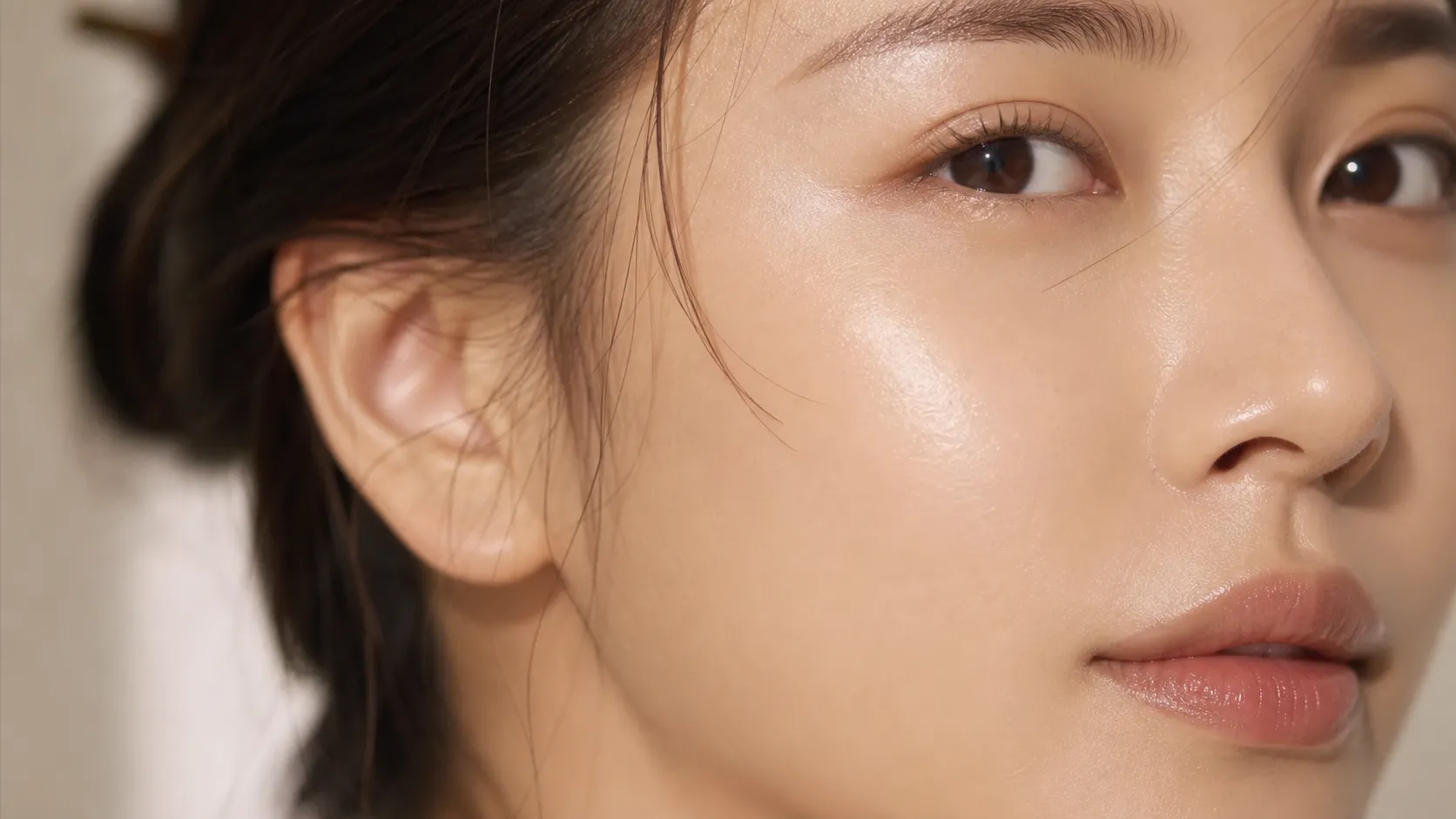
“Melasma, freckles, and dark spots” are pigmentation problems on the skin that look similar but are genuinely different. Melasma is brown patches spread symmetrically on both sides of the face, often related to hormones and sun exposure. Freckles are small spots with defined edges from sun exposure or pigment in the deeper layers. Dark spots are usually marks left after inflammation, such as acne marks. Each condition has a different cause and depth, so the treatment must be matched accordingly.
What Is Melasma and What Causes It
Melasma is a condition in which the skin produces too much melanin pigment, forming brown to grayish-brown patches. It usually appears symmetrically on both sides of the face, with the cheekbones, forehead, bridge of the nose, and area above the upper lip being the most common locations. It is found more often in women than in men, and is common in people with darker, Asian skin tones.
Several factors are involved in the development of melasma, especially sun exposure, hormonal changes such as pregnancy or the use of birth control pills, and genetics. In addition, visible light, not just UV rays, also plays a role in triggering pigment and can cause melasma to recur.
In practice, doctors often roughly classify melasma by the depth of the pigment to help plan care, as follows:
- Epidermal (superficial) melasma: the pigment is in the epidermis and usually appears as a fairly distinct brown. It generally tends to respond to care better than deep melasma.
- Dermal (deep) melasma: the pigment sits down in the dermis, usually appears more grayish or grayish-brown, and is generally harder to fade.
- Mixed melasma: has pigment in both the superficial and deep layers, which is commonly seen.
- Hormone-related melasma: often found during pregnancy or when taking medications that affect hormones.
An important thing to understand is that melasma is usually a chronic condition that needs ongoing care. Medical evidence indicates that melasma tends to recur, and care is a matter of long-term control rather than clearing it in a single session.
What Are Freckles and How Many Types Are There
Freckles are pigment spots that usually have fairly defined edges compared with melasma, and although people commonly lump them together as “freckles,” medically there are several different types, with differences in both cause and pigment depth that directly affect the treatment approach. Common types include:
- Solar lentigines (sun freckles): brown spots associated with long-term accumulation of sun exposure. They tend to become more common with age and in areas frequently exposed to the sun, such as the cheekbones and the backs of the hands. The pigment of solar lentigines is usually in the superficial layer.
- Deep freckling, or Hori (acquired bilateral nevus of Ota-like macules): grayish-brown or bluish-gray spots that usually appear symmetrically over both cheekbones. They are common in middle-aged Asian women. The distinguishing feature is that the pigment sits deep in the dermis, so they usually require care different from solar lentigines.
- Seborrheic keratosis: raised bumps or patches that are brown and can be felt to be raised above the skin. They are a different kind of skin change from solar lentigines and Hori, so care differs.
Because each type of freckle has a different pigment depth, correctly distinguishing the type is an important step before choosing a treatment, especially Hori deep freckling, which is sometimes mistaken for melasma even though the care approach is different.
What Are Dark Spots and Acne Marks
Another common group of dark spots is post-inflammatory hyperpigmentation, or PIH, which arises when the skin produces more pigment after inflammation or injury to the skin. The most common example is the dark marks left after acne, but it can also result from picking and scratching, rashes, wounds, or other irritation.
This type of dark mark is common in people with darker skin and usually appears as spots or patches that match the location of prior inflammation. In many cases, acne dark marks may gradually fade on their own over several months to a year, especially with good sun protection and no repeat inflammation. However, if the skin is frequently exposed to the sun or new inflammatory acne develops, the dark marks may persist longer or darken.
A point to watch for is that acne dark marks differ from acne redness (which is a matter of blood vessels) and differ from acne pits or raised scars, which are changes in the skin tissue. Having a doctor help distinguish them first helps you choose a more targeted care approach.
How to Tell Melasma, Freckles, and Dark Spots Apart
Even though all three conditions are alike in being “pigment on the skin,” there are distinctions that help you roughly tell them apart: the pattern of distribution (melasma is usually broad symmetrical patches, while freckles are usually spots with defined edges), color (deep melasma and deep freckling tend to look grayish, while solar lentigines and acne marks tend to look brown), and the history of onset (acne dark marks usually match the location of prior inflammation).
However, telling them apart by eye can sometimes be difficult, because one person may have several conditions overlapping on the same face, such as having both melasma and Hori deep freckling at the same time, which makes care more complex. Doctors often rely on examining the appearance and depth, and sometimes use tools such as skin examination lamps to assess before planning.
The following table summarizes the main differences to make them easier to picture (this is general information, not a substitute for a doctor’s diagnosis).
| Condition | Appearance | Main cause | Main treatment approach |
|---|---|---|---|
| Melasma | Brown to grayish-brown patches spread symmetrically on both sides of the face | Sun exposure, hormones, genetics | Strict sun protection, topical agents as prescribed, injections or laser in some cases, with a focus on continuous control |
| Solar lentigines | Brown spots with fairly defined edges, in sun-exposed areas | Accumulation of sun exposure with age | Sun protection, topical agents, and pigment lasers such as Pico/Q-switch as assessed by a doctor |
| Deep freckling (Hori) | Grayish-brown to bluish-gray spots, symmetrical on the cheekbones | Pigment in the dermis | Usually requires specialized laser over several sessions, spaced out, per the doctor’s plan |
| Dark spots (acne marks/PIH) | Spots or patches at the location of prior inflammation | Skin inflammation, such as acne or wounds | Sun protection, treating the underlying inflammation, topical agents, and laser in some people |
How Each Condition Is Treated
The treatment approach depends on the type and depth of the pigment, as well as each person’s skin condition. In general, doctors often use several methods in combination and always emphasize sun protection as the foundation. The main options that are usually considered are as follows:
- Sun protection: the essential foundation for every condition, because sunlight triggers pigment and causes recurrence. Good sun protection is therefore part of the treatment, not just prevention.
- Topical agents: for melasma and acne dark marks, a doctor may consider certain topical agents that help even out skin tone. They should be used under a doctor’s guidance, because some medications have limitations and side effects that need to be monitored.
- Injections / oral medication: in some cases of melasma, a doctor may consider supportive agents such as tranexamic acid, which has evidence supporting its use as an adjunctive treatment in some people, but indications and contraindications must always be assessed by a doctor first.
- Pigment laser (Pico Laser / Q-switch): an option a doctor may consider for solar lentigines, Hori deep freckling, and some cases of dark spots, with deep freckling usually requiring several sessions spaced out over time. For melasma, laser use requires special caution, because inappropriate energy settings can trigger the melasma to darken, so it should be carried out under the care of an experienced doctor.
What should be understood in common is that the results of treatment vary by individual. A method that suits one person may not suit another, so consulting a doctor to plan on an individual basis matters more than choosing a method based on hearsay. You can read more about pigmentation treatment with Pico Laser on our service page.
Why Melasma Tends to Recur
Many people wonder why melasma comes back even after it has been cared for until it faded. The key explanation is that melasma is usually a chronic condition that needs ongoing care. The pigment-producing cells in people with melasma tend to be sensitive to triggers, especially sunlight and hormonal changes, and as long as triggers remain, the pigment can come back and darken.
Factors that often cause melasma to recur or darken include:
- Exposure to sunlight and visible light without adequate sun protection
- Hormonal changes, such as pregnancy or medications that affect hormones
- Stopping care or treatment partway once melasma appears to have faded
- Using laser or procedures unsuited to the type of melasma
For this reason, the current approach to melasma care is viewed as long-term control, that is, fading it and maintaining that level, rather than expecting it to disappear in a single session. Periodic follow-up with a doctor therefore helps adjust the plan to suit the changing condition of the skin.
How to Care for Skin and Protect It from the Sun
Sun protection is at the heart of caring for every pigmentation condition, whether melasma, freckles, or dark spots, because it both helps prevent pigment from darkening and helps treatment results last better. Practical general recommendations include:
- Choose a broad-spectrum sunscreen that covers both UVA and UVB, and apply it generously every day.
- For people with melasma, there is evidence that tinted sunscreen, which helps protect against visible light, may help with melasma better than regular sunscreen in some studies, making it an option worth considering.
- Reapply sunscreen during the day when outdoors for long periods, and combine it with physical protection such as hats, umbrellas, and sunglasses.
- Avoid picking or scratching acne or inflamed skin to reduce the chance of post-inflammatory hyperpigmentation.
- Care for your skin gently, avoid harsh scrubbing, and consult a doctor before starting potent active products.
If you are interested in laser treatment, you can see more details about the Pico Laser service.
Consult a Doctor for an Individualized Plan
Melasma, freckles, and dark spots look alike but differ in the details, so an accurate diagnosis is the starting point of targeted care. If you are unsure which condition your skin problem is, or want to plan care suited to your own skin, you can consult the Onnyx Clinic medical team for an individual assessment and recommendations. Results vary by individual.
To book an appointment or ask for more information, contact us via LINE: @onnyxclinic
References
- American Academy of Dermatology (AAD): Melasma — Diagnosis and treatment — aad.org
- Melasma. StatPearls (NCBI Bookshelf) — ncbi.nlm.nih.gov
- Treatment of acquired bilateral nevus of Ota-like macules (Hori’s nevus) with Q-switched Nd:YAG laser — PubMed — pubmed.ncbi.nlm.nih.gov
- Melasma: the need for tailored photoprotection to improve clinical outcomes — PMC (NIH) — pmc.ncbi.nlm.nih.gov
- Comparison of Visible Light-Protective Tinted Sunscreen to Untinted Sunscreen in Melasma Patients — PMC (NIH) — pmc.ncbi.nlm.nih.gov
Frequently asked questions
How do melasma and freckles differ, and can I tell them apart myself? +
Melasma usually appears as brown patches spread over broad areas on both sides of the face, such as the cheekbones, forehead, and above the upper lip. Freckles tend to be small spots with fairly defined edges. Telling them apart by eye can sometimes be difficult, especially when several conditions overlap. It is best to see a doctor for an accurate diagnosis before choosing a treatment.
Can melasma be cleared completely? +
Melasma is usually a chronic condition that needs ongoing care, so treatment generally aims to fade it and prevent it from darkening rather than to make it disappear. Results depend on the type of melasma, the depth of the pigment, and each person's self-care. Sun protection and continued treatment as advised by a doctor are therefore important.
Can laser treat every type of melasma? +
Laser is one option a doctor may consider, but it is not suitable for every case or every type of melasma. In some cases, using inappropriate energy settings can trigger the melasma to darken. An assessment by a doctor to select the laser type, energy setting, and frequency suited to your skin is therefore necessary, and it is often combined with sun protection and other treatments.
How many sessions does deep freckling (Hori) need before a change is visible? +
Hori-type deep freckling is pigment that sits deep in the dermis, so it usually requires several laser sessions spaced out over time. The appropriate number of sessions varies from person to person, depending on the intensity and depth of the pigment. The doctor will assess and plan treatment individually. Results vary by individual.
Will acne dark marks fade on their own? +
Acne dark marks, or post-inflammatory hyperpigmentation (PIH), may in many cases gradually fade on their own over several months to a year, especially with good sun protection and no repeat inflammation. Supportive treatments such as certain topical agents or laser may help marks fade faster in some people. You should consult a doctor to distinguish them from other types of scarring first.

Written by Onnyx Clinic Editorial Team
Medically reviewed by Dr. Janthida Gluayjumnong · Attending Physician, Onnyx Clinic · ว.74005
Last reviewed June 28, 2026
Doctor →Related articles
Pigmentation
Skin Brightening Laser Types: Which One Suits You
How brightening laser types differ — picosecond, Q-switched, IPL and fractional — which skin concerns each suits, how many sessions, and what it costs
Pigmentation
Melasma Flare After Laser: Causes and How Long It Lasts
Why melasma darkens after laser, how it differs from post-inflammatory hyperpigmentation, how long it takes to fade, and how to prevent it happening again
Pigmentation
Dark Circles Under Eyes: 4 Types, How to Check and Treat
Dark circles under the eyes fall into 4 main types: pigmented, vascular, structural, and mixed. Learn how to check at home, causes, and treatment options.
Ready to take care of yourself?
Consult a doctor and book any day via LINE.
Chat on LINE · @onnyxclinic